
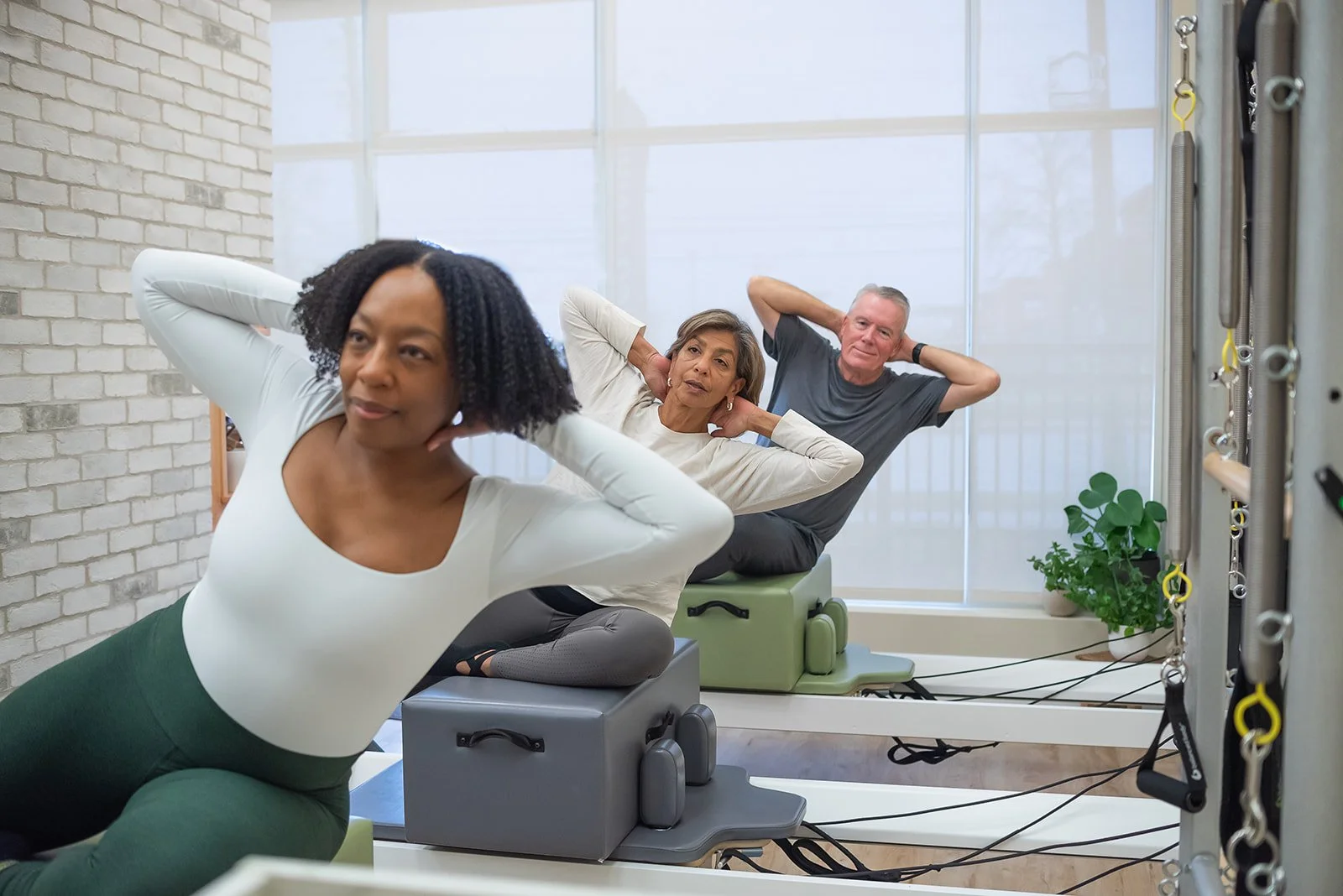
The Science of Movement
When we think of exercise, we often picture gyms, running, and cardiovascular activities. While these traditional methods have proven effective, they may not appeal to everyone. Not all bodies are built for high-energy, fast-paced training, and some individuals prefer gentler, more mindful approaches.
A growing body of research suggests that consistent movement can protect both the brain and body from aging, promoting long-term health benefits. Mind-body practices emerged as an alternative, emphasizing the importance of tuning into what the body is doing. These approaches offer safe and effective ways to move, appealing to those who seek balance over intensity.
Why We Do What We Do
Founder’s Story - Jocelyne Pelchat
Cornerstone Movement Institute was founded on the belief that movement should be both intelligent and accessible.
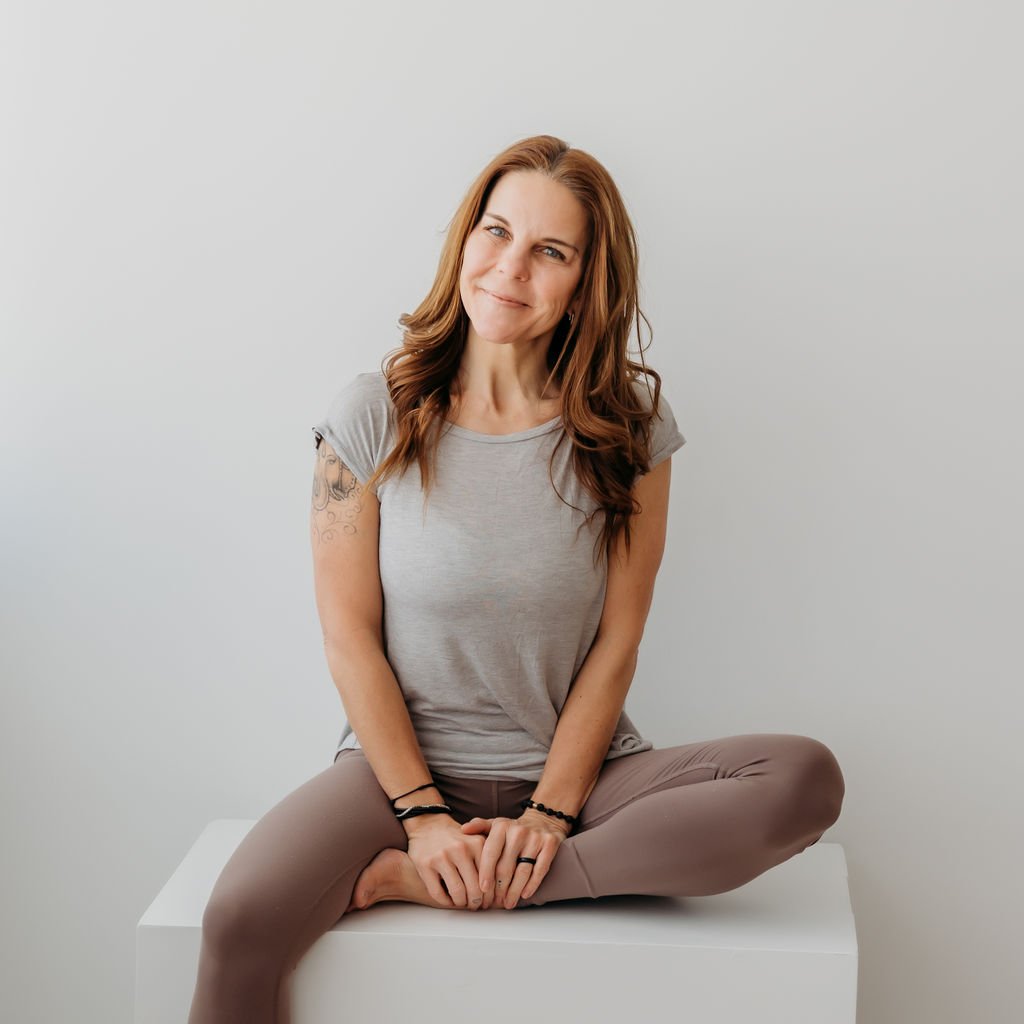
My journey into spinal health began when my daughter was diagnosed with scoliosis. Wanting to better understand her condition led me to pursue extensive training in spinal mechanics, scoliosis, and movement-based rehabilitation. Over time, that work expanded into helping individuals with a wide range of spinal conditions and chronic pain concerns.
As my education continued through a Master's degree in Applied Neuroscience, my focus broadened to include neurological conditions and a deeper understanding of how the brain and nervous system influence movement, balance, strength, and recovery.
Today, our approach combines Pilates, biomechanics, anatomy, and neuroscience to help people move more efficiently and confidently. We believe exercise should do more than simply make you tired. It should teach you how your body works, help prevent future injuries, and support long-term health and independence.
While many clients come to us with injuries or medical conditions, many others come simply because they want to stay active, maintain their strength, improve their mobility, and continue doing the things they love for years to come.
Our goal is not just rehabilitation. Our goal is helping people build resilient bodies that support them throughout every stage of life.
The Biomechanics Behind Our Approach
Our approach to movement is rooted in science, specifically biomechanics—the study of how biological systems move under the influence of forces and constraints. “Bio” refers to life and its processes, while “mechanics” involves understanding motion through mathematics and physics. By combining neuroscience, biology, and psychology, we aim to foster awareness and education about the body’s capabilities.
Movement is not one-size-fits-all.
What works for one body may not work for another, and not everyone enjoys the same types of movement. Still, research strongly supports the idea that movement—what some call exercise, but we call movement—can influence the brain and body at a neuroanatomical level.
Beyond improving physical strength, movement also enhances brain function. Studies show it can stimulate the prefrontal cortex, improving attention and executive functioning skills. Furthermore, movement supports neurogenesis and brain plasticity, while reducing cognitive decline and the signs of aging.
Our Mission: Empowering Lifelong Movement
Given this evidence, we view movement as a cornerstone of long-term health and well-being. Our mission is to promote movement awareness and education, empowering individuals to make informed decisions about how they move—and why it matters.