

Neuropilates
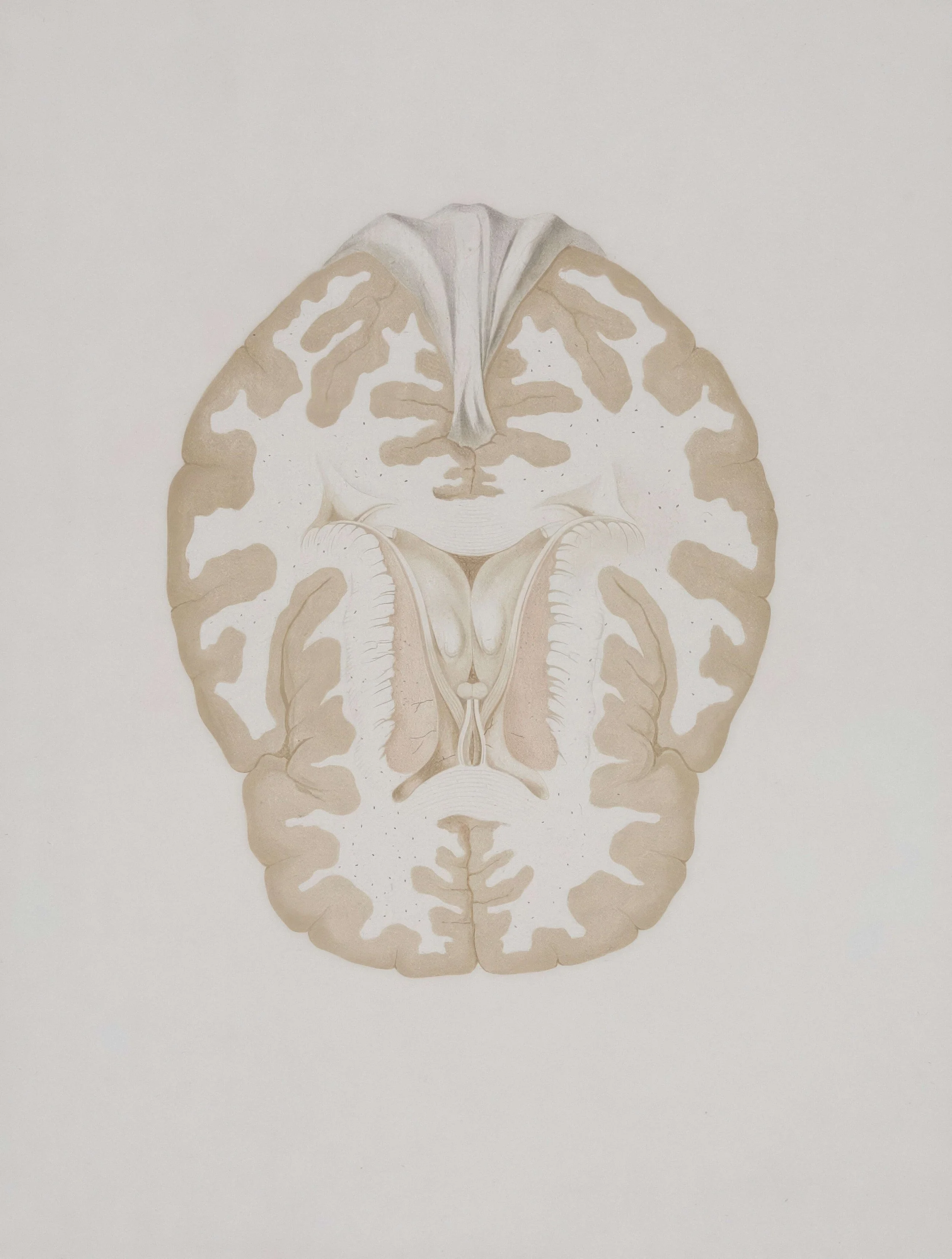
Neuropilates is a specialized form of exercise that is used to promote recovery of the nervous system.
“Neuro” refers to any part of the nervous system, which includes the brain and extends down the spine and out to the limbs. Pilates is a type of movement focused on the connection of breath awareness and increasing core stability to improve an individual’s overall mobility.
Neuropilates is particularly beneficial for those with neurological conditions such as multiple sclerosis (MS), spinal cord injuries, stroke survivors, Parkinson’s, concussions and other neurological conditions. The body and brain are heavily connected, and Pilates emphasizes this brain-body connection that not only encourages more conscious movements and coordination but also activates the brain in ways that promote new neurons (neurogenesis) to develop and connect to old ones. These new connections and reorganization of neurons, a process called neuroplasticity, play a critical role in learning or even re-learning after a neurological injury. Improvements in neuroplasticity with exercise, and specifically movement involving specific mind-body connections, are the foundation of how Neuropilates is an effective treatment for those with neurological conditions.
At Cornerstone Movement Institute, we address the body as a whole rather than traditional physiotherapies that tend to isolate treatment to affected areas.
We utilize our knowledge and understanding of the nervous system in relation to emotions and movement to reset the system to work in a way that benefits the body rather than further stressing it. By encouraging clients to become more connected to themselves through breath work and mindful movements, greater control over mind-body signals is accomplished. There is also emphasis on developing stability and mobility to improve mundane functional movements through the exercises rather than overloading muscles to build muscle and excessive strength.
Neurological Conditions We Work With
Multiple Sclerosis (MS)
We prioritize activating various muscles by working on larger, smooth movements with and without resistance, while progressively stacking multiple movements to promote improved coordination, especially between the upper and lower body, as multiple sclerosis attacks what “insulates” nerves (myelin) that would typically allow for controlled and multi-layered movements.
Spinal Cord Injuries
Generally, we work with the individual to increase mobility through their spine by incorporating breath work with exercises that promote core engagement and trunk stability while engaging in other movements of the extremities, often with numerous supports from the Pilates Cadillac (ie, to keep legs upright) and working with varying resistances to fit within the client’s range of comfort while still progressing the exercises over time.
Traumatic Brain Injury
We work to restore the connection between intention and movement through carefully graded exercises that improve coordination, balance, and body awareness. By starting with simple, successful movement patterns and progressively layering new challenges, we encourage neuroplasticity while helping clients rebuild confidence, efficiency, and independence in everyday movement.
Additional Conditions We Work With
Parkinson's disease
Acquired brain injury
Balance disorders
Stroke / CVA recovery
Vestibular conditions
Post-concussion syndrome
Cerebral palsy
Peripheral neuropathy
Functional neurological disorder
Neurological rehabilitation doesn't end when physiotherapy ends.
Our goal is to help you continue progressing through meaningful, evidence-informed movement that supports independence, confidence, and lifelong function.
Working in Collaboration
We believe neurological rehabilitation is most effective when healthcare professionals work together. Cornerstone Movement Institute proudly collaborates with Concept Neurological Physiotherapy Burlington, where Jocelyne provides Neuro Pilates one day each week. This clinical setting offers accessible care for individuals requiring neurological rehabilitation, while ongoing Neuro Pilates sessions are also available at our Appleby Line studio for those who prefer a boutique movement environment.
By working alongside neurological physiotherapists, we help bridge the gap between rehabilitation and long-term movement, allowing clients to continue building strength, confidence, balance, and independence long after formal physiotherapy has ended.
Evidence-Informed Care
Our approach is grounded in current neuroscience and rehabilitation research. Every program is individualized using principles of neuroplasticity, motor learning, progressive strength training, balance training, and task-specific practice—approaches consistently supported by research for improving movement, function, and quality of life in people living with neurological conditions.
Who We Work With
Neurological physiotherapists
Family physicians
Neurologists
Occupational therapists
Speech-language pathologists
Massage therapists
Personal support workers and caregivers
Family members involved in rehabilitation
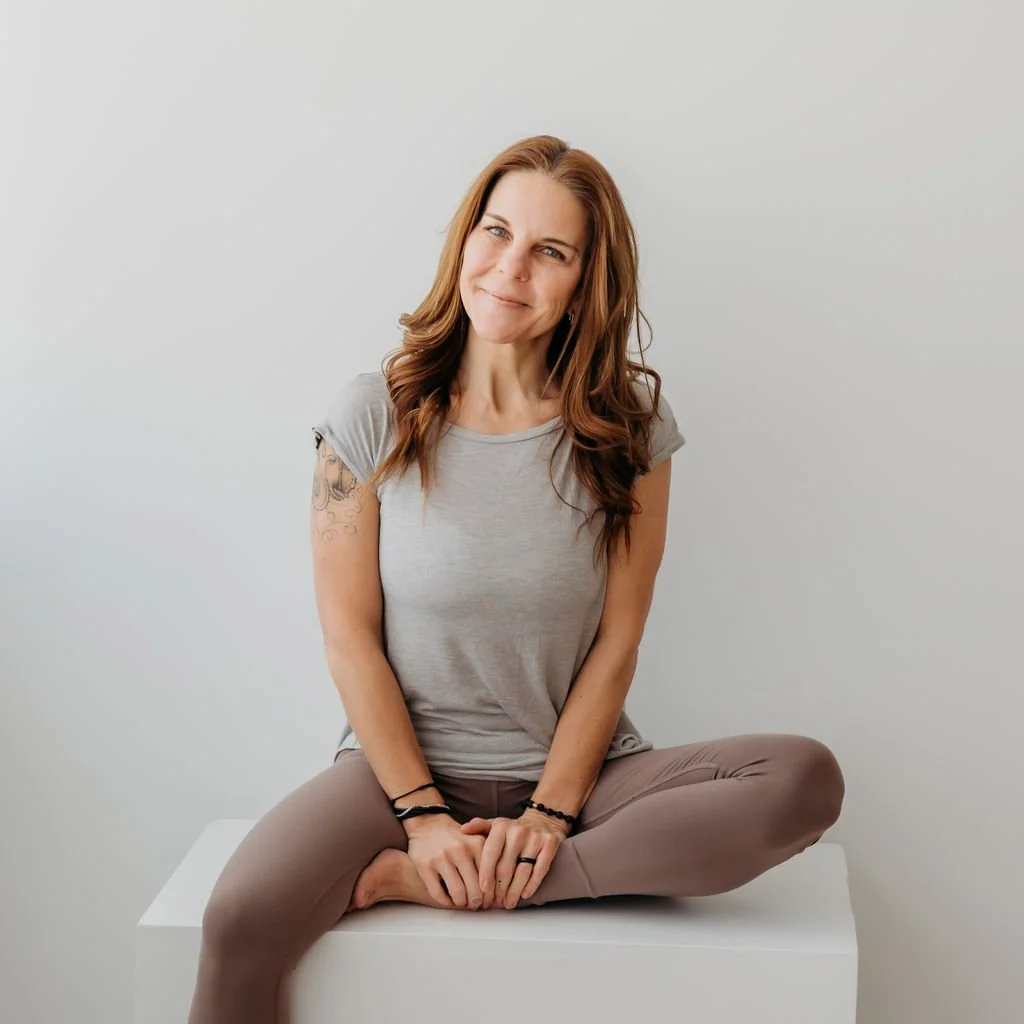
Jocelyne Pelchat, MSc
Movement Specialist, Founder of Cornerstone Movement Institute
She holds a Master of Applied Neuroscience from King’s College London and has over 13 years of experience applying neuroscience, biomechanics, and Pilates to support individuals living with neurological and complex musculoskeletal conditions.
Jocelyne has extensive experience working with clients affected by stroke, Multiple Sclerosis, Neuromyelitis Optica (NMO), spinal cord injuries, traumatic brain injuries, Parkinson’s disease, peripheral nerve injuries, and chronic pain. Her approach integrates current neuroscience, motor learning, neuroplasticity, and functional movement principles to help clients improve mobility, confidence, and quality of life. She is passionate about translating complex neuroscience into practical, evidence-informed movement strategies for both clients and movement professionals.
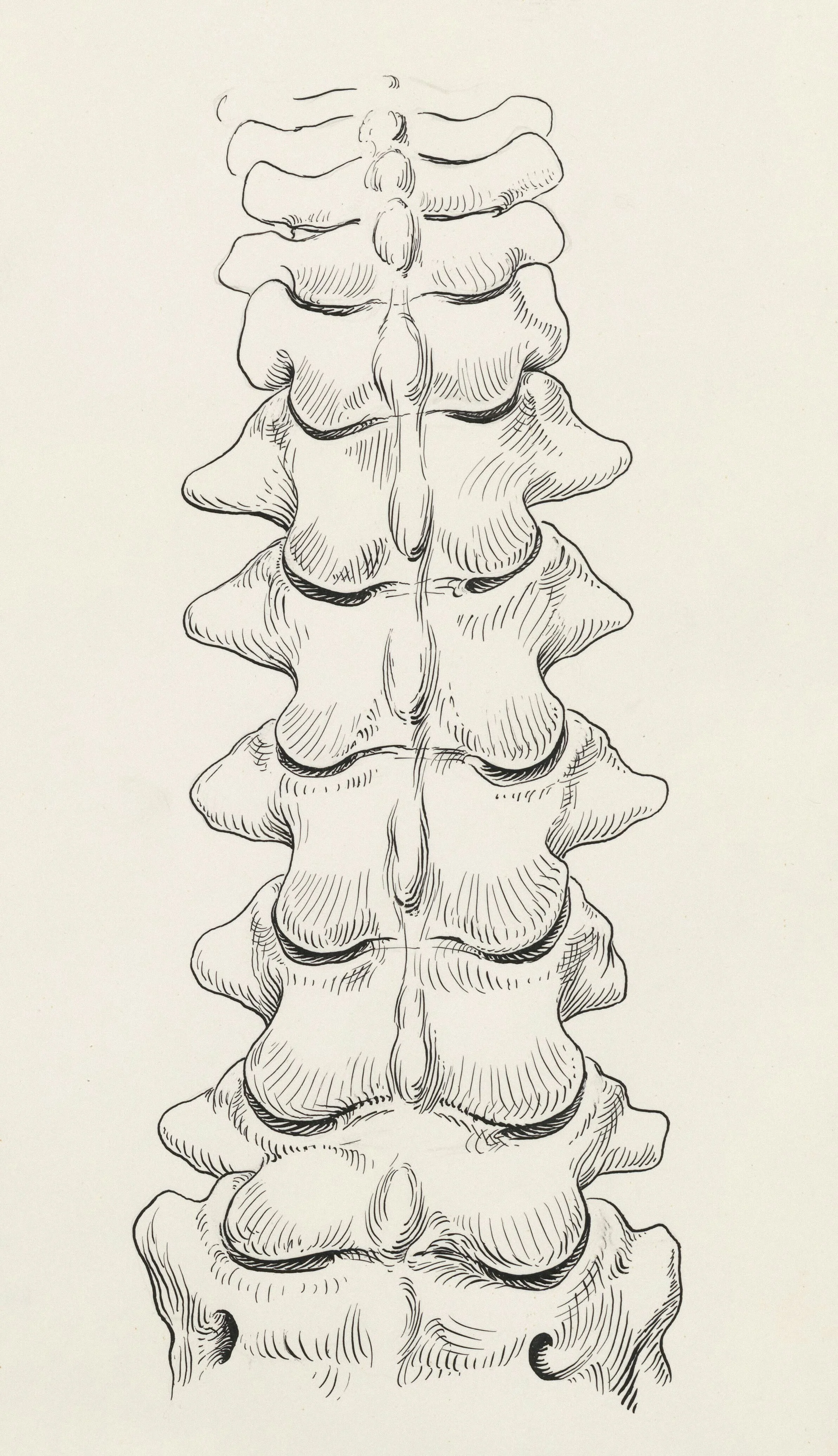
Spinal health became relevant in my life when my daughter was diagnosed with scoliosis. In navigating this, a better understanding of her condition was needed, and this led me to engage in extensive spinal mechanics, scoliosis, and movement-based rehabilitation training. As a lifelong learner, I expanded this work into chronic pain concerns and neurological conditions. I also wanted to utilize my Pilates instructor certification beyond its traditional practice.
My interest in studying the brain, body, and perception led me to complete my master's in neuroscience and sparked the idea to bridge my two passions together. Movement is not just about gaining fitness, but it is a part of longevity, adequate functionality of the body, and feeling good inside and out. Working with individuals who have various levels of pain/discomfort due to neurological conditions such as MS, spinal injuries, joint replacements, cancer, and many more allows for the application of my educational background in neuroscience to support clients as needed. I prioritize teaching individuals both with and without neurological conditions or spinal injuries, etc., how to gain awareness of their biomechanics through Pilates exercises with the goal of immersing others into a world that makes them want to stay active, maintain their strength, improve their mobility, and find joy in moving their bodies.
Frequently Asked Questions
-
Neuropilates differs from regular Pilates in how it focuses on the brain-body connection and coordination to promote the growth of new wired connections (neurons) in the brain in a more medicinal lens while still incorporating the core strengthening, flexibility, and improvements in postural alignment that traditional Pilates is centred around. Neuropilates’ primary goal is not fitness, but rather increased functionality, mobility, and, for some, rehabilitation.
-
No doctor’s referral is needed to start Neuropilates. You can inquire about an initial assessment today to see if Neuropilates would be beneficial for you at hello@cornerstonemove.com
-
Sessions begin with an overview of how you and your body are feeling to assess whether the exercises planned are still applicable and appropriate, or if modifications may be necessary. We often begin with some breath work to relax and ground the body before moving on to small movements (ie, pelvic tilts) to start activating some of the muscles that will be worked as the session progresses. Testing of certain movements or positions are also assessed at the beginning as a baseline of comparison at the end of the session. We focus on working within the client’s limits and will provide alternative exercises that work the same muscle(s) if the individual is unable to execute the initial movement. Equipment such as the Cadillac, Pilates Chair, Ladder Barrel, and Reformer are used to provide resistance and challenge muscle(s) to improve strength, stability, and mobility. We close our time with the same movements/positions done at the start to observe any improvements as well as ask for feedback from the client whether they feel better (ie, less stiff, in less pain, etc.) following their session.